Tafseer

Tafseer Surah Humazah: The Crusher

This is post #36 in our series on Tafseer of Juz ‘Amma (click the link to see all posts in this series).

In Surah Humazah, Allah (‘azza wa jal) says:

وَيْلٌ لِّكُلِّ هُمَزَةٍ لُّمَزَةٍ

Translation: Woe to every scorner (humazah) and mocker (lumazah). [Surah Al-Humaza, verse 1].

As we mentioned many, many times before in this series, wayl is a curse. And when Allah says wayl about someone, it’s not a curse, but a statement of reality–because He, ‘azza wa jal, is not in need of cursing anyone. Ibn Abbaas (radiallahu ‘anhu) says, wayl is a valley in Hellfire; in this sense, it’s almost as if the person is saying, for what I did, this is what I deserve–come to me, o wayl.

Arabic Analysis of Surah Balad

This is post #35 in our series on Tafseer of Juz ‘Amma (click the link to see all posts in this series).

Arabic Calligraphy/Art

In this post, we will insha’Allah do a word-for-word breakdown of each surah, as space permits.

In the first ayah, Allah (subhannahu wa ta’ala) says:

لَا أُقْسِمُ بِهَٰذَا الْبَلَدِ

The first two words, laa uqsimu (لَا أُقْسِمُ) literally means “I do not swear.” Uqsimu is mudaari’ mutakallim waahid, i.e. the single, gender-non-specific first person “I.” It appears to be on Baab I, but there’s a hint that it’s not–the dumma on the first letter. Check the comments insha’Allah for more clarification; the mudaari’ is yuqsimu; it’s a four-letter root (aqsama اقسم) in maadi’ (past-tense).

Tafseer Surah Balad, Part 2: Iqtahamaa

This is post #34 in our series on Tafseer of Juz ‘Amma (click the link to see all posts in this series).

Picture of the top of the CN tower, as seen from below.
The CN Tower, 150 stories high. Fa laa iqtahamaa al-aqabah.

Continuing our discussion of Surah Balad, Allah (‘azza wa jal) says:

أَلَمْ نَجْعَل لَّهُ عَيْنَيْنِ

Tafseer Surah Balad, Part 1: Life is Toil

This is post #33 in our series on Tafseer of Juz ‘Amma (click the link to see all posts in this series). This is the first of two posts on the tafseer of Surah Balad.

Allah says:

لَا أُقْسِمُ بِهَذَا الْبَلَدِ

Translation: I swear by this city (Makkah) … [Surah Balad, verse 1]

“Laa uqsim” literally means, “I will not swear by.” in Arabic language, it means “this thing is so truthful, I almost don’t even have to swear by it.” It’s translated as “I swear by.”

Tafseer Surah Quraysh

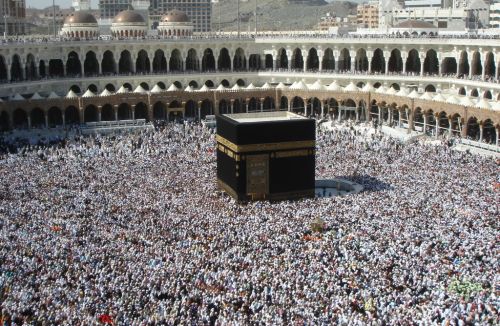
The Ka'bah: The House of Allah
Fal-ya’buduw rabba haadha al-bayt.

This is post #32 in our series on Tafseer of Juz ‘Amma (click the link to see all posts in this series).

This post is chronologically out of order, since Surah Quraish was revealed before surah Qaari’ah; but insha’Allah khayr. Allah says:

لِإِيلَافِ قُرَيْشٍ

إِيلَافِهِمْ رِحْلَةَ الشِّتَاءِ وَالصَّيْفِ

فَلْيَعْبُدُوا رَبَّ هَذَا الْبَيْتِ

الَّذِي أَطْعَمَهُم مِّن جُوعٍ وَآمَنَهُم مِّنْ خَوْفٍ

Arabic Analysis of Surah Qaari’ah

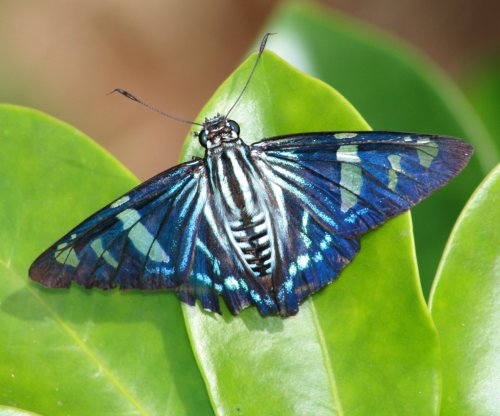
A faraash, a moth.
A faraash–a moth.

This is post #31 in our series on Tafseer of Juz ‘Amma (click the link to see all posts in this series).

As per the poll on our twitter account, there was consensus on their being a post on grammatical analysis of Surah Qaari’ah. So here you go insha’Allah.

Standard Disclaimer: I am not an Arab (as in, fluent in Arabic) nor have I double-checked this in books of ‘ulama discussing grammar; there is sometimes difference of opinion in grammar, as well; so take it as such insha’Allah.

Tafseer Surah Qaari’ah: The Striking Calamity

This is post #30 in our series on Tafseer of Juz ‘Amma (click the link to see all posts in this series).

Allah says, in Surah Qaari’ah:

الْقَارِعَةُ

مَا الْقَارِعَةُ

وَمَا أَدْرَاكَ مَا الْقَارِعَةُ

Translation: The Striking Calamity – What is the Striking Calamity? And what can make you know what is the Striking Calamity? [Surah Qaariah, verses 1-3]

As we mentioned, the phrase in verse three–“wa maa adaraaka maa …,” is a phrase that means that, you cannot understand this thing–Al-Qaari’ah, the striking calamity. And you will never understand Al-Qaari’ah.

Tafseer Surah Tin

This is post #28 in our series on Tafseer of Juz ‘Amma (click the link to see all posts in this series).

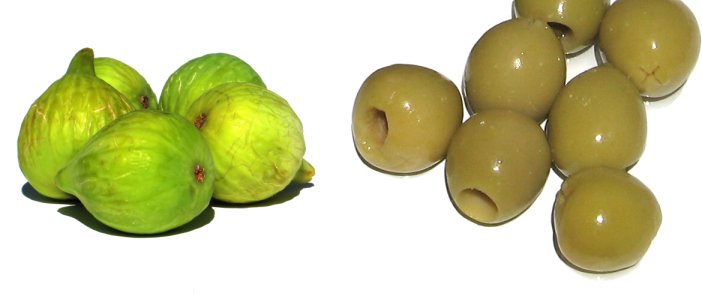
tiyn-and-zaytoon
Tiyn and Zaytoon–the fig and the olive.

Allah says, in Surah At-Teen:

وَالتِّينِ وَالزَّيْتُونِ

وَطُورِ سِينِينَ

وَهَذَا الْبَلَدِ الْأَمِينِ

Translation: By the fig and the olive. And [by] Mount SinaiAnd [by] this secure city [Makkah], … [Surah At-Tin, verses 1-3]

Allah is testifying. Allah, the Lord of the Universe, wants us to take something extra-extra-super-specially-important. We should always ask, ya Rabbi, why are you testifying?

Tafseer Surah Burjooj: Fitnah

This is post #27 in our series on Tafseer of Juz ‘Amma (click the link to see all posts in this series).

Allah says, in Surah Al-Burooj:

وَالسَّمَاءِ ذَاتِ الْبُرُوجِ

وَالْيَوْمِ الْمَوْعُودِ

وَشَاهِدٍ وَمَشْهُودٍ

قُتِلَ أَصْحَابُ الْأُخْدُودِ

Translation: By the sky containing great stars. And [by] the promised Day. And [by] the witness and what is witnessed. Cursed were the companions of the trench. [Surah Al-Buruj, verses 1-4]

The story of Ashaab-ul-Burooj, the People of the Ditch, is pretty well-known; in fact, we have an entire 15-part series on this surah. Check it out insha’Allah.

Allah opens this surahs with testifications. Then he testifies: qutila ashaabul-‘uqdood. ‘uqdood is another word for ditch. Qutila, literally, means “they were killed.” But Ibn Abbaas (radiallahu anhu) said, whenever you read qutila in the Qur’an, it means lu’ina–cursed.

Allah cursed the People of the Ditch. And Allah is not in need of cursing–He can do anything, to anybody, anytime, anywhere. Lu’ina means, they were destroyed.

And they _are_destroyed.

So what great sin did they perpetrate in order to deserve this immense reward–not only being cursed and destroyed, but being documented in the Qur’an, to be recited until the end of time?

Let’s see.

Tafseer Surah Shams: One Man’s Sin

This is post #26 in our series on Tafseer of Juz ‘Amma (click the link to see all posts in this series).

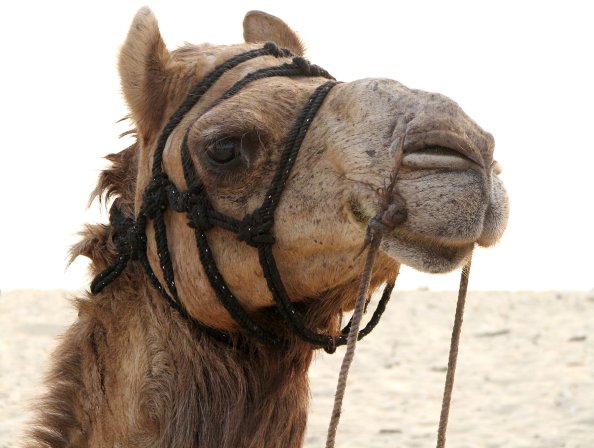
camel
The noble she-camel, prized in the Arab society, was actually one of the signs Allah sent to a nation. What did they do with it?

Surahs are usually named by something unique in their content. But the sun (ash-shams) is mentioned in several surahs; so why is this one called Surah Shams?