Surah Iqraa

Ripped Limb From Limb

Note: This is post #6 in our series of Tafseer of Juz ‘Amma, and insha’Allah our last post from Surah Iqraa.

In verses 9 and 10 of Surah Iqraa, Allah says:

أَرَأَيْتَ الَّذِي يَنْهَى

عَبْداً إِذَا صَلَّى

Translation: Have you seen the one who forbids a servant when he prays?

The Prophet (salallahu alayhi wa sallam) used to make sujood to Allah in the courtyard of the ka’bah in early times in Mecca, and nobody would stop him. Abu Jahl used to get very, very angry. Once, when the Prophet (salallahu alayhi wa sallam) was doing this, Abu Jahl saw him, and swore he would not let this continue.
Du’a for Wealth and Poverty

ghunan yutghee

Note: This is the 5th post in our series on Tafseer of Juz ‘Amma.

In our last post, we talked about how the human race does taghaa if they see themselves as self-sufficient. Living in western societies, we see this all around us–people racing, fighting, stealing, overworking, to make a few more dollars so that they can “make it.” They buy lottery tickets so they can “make it” and be rich, rich rich!

Self-Sufficient?

Note: This is our 4th post in our series of Tafseer of Juz ‘Amma.

a mountain of gold

Allah says, in ayahs 6-7 of Surah Iqraa:

كَلَّا إِنَّ الْإِنسَانَ لَيَطْغَى

أَن رَّآهُ اسْتَغْنَى

Translation: No! [But] indeed, man transgresses. Because he sees himself self-sufficient. [Surah Iqraa, verses 6-7]

Kalla is a very stern, emphatic warning. If your kid is being bad, you say “laa, laa;” and then they grab something hot off the stove and you say “KALLA!” It’s a very strong negation; the thing it negates is either understood, or mentioned in the previous ayah.

Making a Statement

Note: This is the third post in our series of Tafseer of Juz ‘Amma.

85071443

From the opening ceremonies, to the first move of world leaders, people like to send a message. The intense revelation of the Qur’an is no different. The timing, style and content, sends a message to the final Prophet (saw) and to all of humanity.

Allah (swt) starts the revelation commanding the Prophet to read “Recite in the name of your Lord who created.” The big statement? It’s all about knowledge. Allah reveals that knowledge will be the way of those who submit to him. Knowledge brings honour to our scholars and courage to our leaders. Knowledge is an Islamic tradition. The carriers of this deen understood and embraced this critical message – they embodied it.

Arabic Analysis for First Revelation

This is the second post in our series of Tafseer of Juz ‘Amma.

trees sway in the sunlight

The first five ayaat of Surah Iqraa are:

اقْرَأْ بِاسْمِ رَبِّكَ الَّذِي خَلَقَ

خَلَقَ الْإِنسَانَ مِنْ عَلَقٍ

اقْرَأْ وَرَبُّكَ الْأَكْرَمُ

الَّذِي عَلَّمَ بِالْقَلَمِ

عَلَّمَ الْإِنسَانَ مَا لَمْ يَعْلَمْ

Word-for-word translations are pretty common these days (like this one, which has Surah Iqraa), so I’m going to touch lightly on that, and do a bit more grammar. Ready? Here goes!

The Beginning of Revelation

This is the first post in our series of Tafseer of Juz ‘Amma.

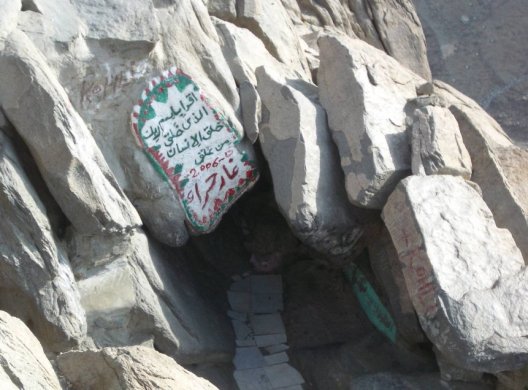
The entrance to Cave Hira

Although the story is well-known amongst the Muslims, we will recap the story of the first revelation: Surah Iqraa (also known as Surah ‘Alaq), revealed in Mecca.

Imam Ahmed ibn Hanbal (rahimahullah) relates from ‘Aisha (radiallahu ‘anhaa) that the Prophet (salallahu alayhi wa sallam), for six months before revelation, would see true dreams that would happen the next day–day after day after day, for six months.