Islam

Self-Sufficient?

Note: This is our 4th post in our series of Tafseer of Juz ‘Amma.

a mountain of gold

Allah says, in ayahs 6-7 of Surah Iqraa:

كَلَّا إِنَّ الْإِنسَانَ لَيَطْغَى

أَن رَّآهُ اسْتَغْنَى

Translation: No! [But] indeed, man transgresses. Because he sees himself self-sufficient. [Surah Iqraa, verses 6-7]

Kalla is a very stern, emphatic warning. If your kid is being bad, you say “laa, laa;” and then they grab something hot off the stove and you say “KALLA!” It’s a very strong negation; the thing it negates is either understood, or mentioned in the previous ayah.

Making a Statement

Note: This is the third post in our series of Tafseer of Juz ‘Amma.

85071443

From the opening ceremonies, to the first move of world leaders, people like to send a message. The intense revelation of the Qur’an is no different. The timing, style and content, sends a message to the final Prophet (saw) and to all of humanity.

Allah (swt) starts the revelation commanding the Prophet to read “Recite in the name of your Lord who created.” The big statement? It’s all about knowledge. Allah reveals that knowledge will be the way of those who submit to him. Knowledge brings honour to our scholars and courage to our leaders. Knowledge is an Islamic tradition. The carriers of this deen understood and embraced this critical message – they embodied it.

Arabic Analysis for First Revelation

This is the second post in our series of Tafseer of Juz ‘Amma.

trees sway in the sunlight

The first five ayaat of Surah Iqraa are:

اقْرَأْ بِاسْمِ رَبِّكَ الَّذِي خَلَقَ

خَلَقَ الْإِنسَانَ مِنْ عَلَقٍ

اقْرَأْ وَرَبُّكَ الْأَكْرَمُ

الَّذِي عَلَّمَ بِالْقَلَمِ

عَلَّمَ الْإِنسَانَ مَا لَمْ يَعْلَمْ

Word-for-word translations are pretty common these days (like this one, which has Surah Iqraa), so I’m going to touch lightly on that, and do a bit more grammar. Ready? Here goes!

The Beginning of Revelation

This is the first post in our series of Tafseer of Juz ‘Amma.

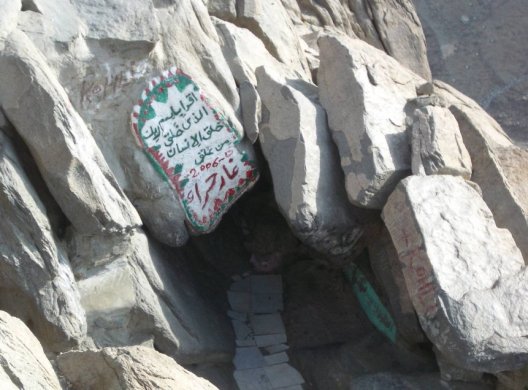
The entrance to Cave Hira

Although the story is well-known amongst the Muslims, we will recap the story of the first revelation: Surah Iqraa (also known as Surah ‘Alaq), revealed in Mecca.

Imam Ahmed ibn Hanbal (rahimahullah) relates from ‘Aisha (radiallahu ‘anhaa) that the Prophet (salallahu alayhi wa sallam), for six months before revelation, would see true dreams that would happen the next day–day after day after day, for six months.

Reasons to Reject Narrators of Ahadith

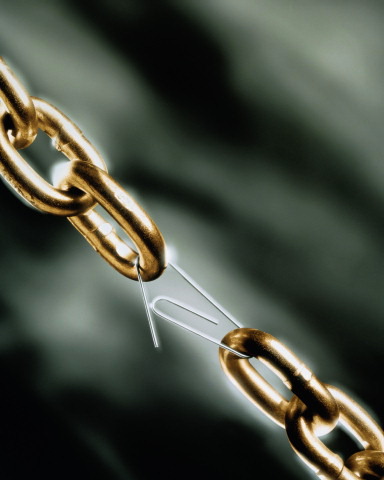
weakchain

As you know, we cannot just accept a hadith from anyone–this is our deen! If anyone could just say what they wanted, we would have nothing left of the true, pure message of Allah.

The scholars have analyzed the biographies of every narrator of hadith. They compile information on when he was born, and where, his kunya, his tribe, who he met, what his character was, what other people narrated about him … piles and piles of information.

Du’a for Laziness and Incapability

10131447

The Prophet (salallahu alayhi wa sallam) used to make a du’a:

اللّهُمَّ إنِّي أعُوذُبِكَ مِن العَجزِ وَ الكَسلٍ

Transliteration: Allahumma inniy a’oothubika min al-ajzi wal-kasli
Translation: O Allah, I seek refuge in you from incapability and laziness.

Why is this du’a important? For two reasons:

  • Laziness is an attribute of munafiqeen. If this wasn’t bad enough, being lazy leads to procrastination, which leads to its own set of problems.
  • It’s common these days for people to say “I can’t do it.” Like “I can’t pray at work,” or “I can’t achieve X.” The Prophet (salallahu alayhi wa sallam) would say a’oothubillah to that kind of talk. Think about it!

Action Plan:

Ask the Readers: Questions about Salah?

Edit: Jazakumullahu khayran to everybody who provided feedback. It seems like there’s a lot of demand for this kind of thing. Insha’Allah we’ll see more posts like this in the future.

man prostrating on his face

Bismillah.

Salah. We cannot emphasize the importance of salah–the dividing line of Islam and Kufr. The first thing asked about on the Day of Judgment. The last thing the Messenger of Allah mentioned before he passed away.

Futures: Halal or Haram?

feathers flying out of an open box

Is futures trading halal or haram? Futures trading isn’t just for investors–even day-to-day transactions like buying and selling fruit, furniture, or funky gadgets can take the same ruling!

So is it halal? Or haram?

What exactly are futures? Futures trading generally apply to stocks, indexes, etc. Say you’re trading currencies (such as the Japanese Yen). Normal trading is buying high and selling low; futures trading is “I’ll sell you 1000 Yen at this price, two months from today, and you pay me then.” An option to buy later at a specific price guaranteed now, which you pay for later.

The Certainty Principle

Edit: It’s makrooh, NOT haram, to sell something when you’re 50%+ sure it’ll be used for haram.

green-grapes

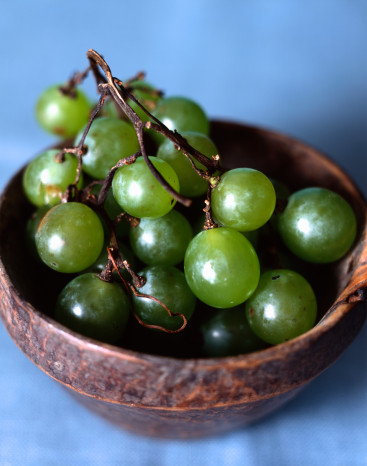
In Islamic finance, permissibility to sell something is tempered by the certainty principle–that is, how certain are you that this thing you’re selling will be used properly?

Say you sell grapes in a specialty grape-only store. A few types of customers come in:

  • A young woman comes in with her little boy and buys some grapes; you see her feeding him the grapes as soon as the cashier scans it through. Is it permissible to sell her grapes? Absolutely. It’s halal.

Debt for Debt Transactions

mangos

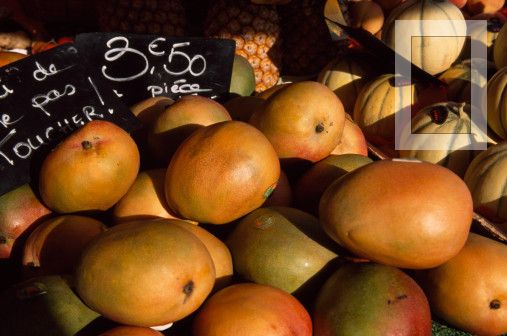
One of the ways in which Islamic finance differs greatly from conventional law is in the debt-for-debt transaction. In Islamic finance, a debt-for-debt transaction is not allowed.

And this is one of the big factors in the current economic depression–people selling a debt for a debt for a debt for … one report says that America is built on debt seven times over! The guy at the bottom finally asks for his commodity, and all the people in the chain realize there was nothing there at all; it’s all debt on debt.