Akhlaaq

10 Examples of How Rasulullah Treated Children

a child praying

Image credit: Farazk007

The sunnah contains many examples of how rasulullah (ﷺ) dealt with children.

Why is this important? Because he’s our uswah, our role-model, our example to follow. Many of his companions met him once or twice, saw him doing something once or twice, and as a result, would keep doing that thing until they died. Not because he told them to, but because they loved him, and sought to follow him as much as possible.

Attributes of a Successful Parent

success-479568_640

The sunnah mentions several characteristics of successful parents. Let’s dive into some of them.

Hilm (Forebearance) and Hayaa (Modesty)

حَدَّثَنَا أَبُو إِسْحَاقَ الْهَرَوِيُّ، حَدَّثَنَا الْعَبَّاسُ بْنُ الْفَضْلِ الأَنْصَارِيُّ، حَدَّثَنَا قُرَّةُ بْنُ خَالِدٍ، حَدَّثَنَا أَبُو جَمْرَةَ، عَنِ ابْنِ عَبَّاسٍ، أَنَّ النَّبِيَّ ـ صلى الله عليه وسلم ـ قَالَ لِلأَشَجِّ الْعَصَرِيِّ ‏ “‏ إِنَّ فِيكَ خَصْلَتَيْنِ يُحِبُّهُمَا اللَّهُ الْحِلْمَ وَالْحَيَاءَ ‏”‏ ‏.‏

Translation: It was narrated from Ibn ‘Abbas that the Prophet (salallahu alayhi wa sallam) said to Ashajj Ansari: “You have two characteristics that Allah likes: Forbearance and modesty.” (Sunan ibn Majah)

The Elephant Theory

Leg of a chained elephant

As we mentioned with the sandwich theory, with children, always separate the behaviour from the person. Never say things like, “I hate you” or “you’re a loser,” “idiot,” “stupid,” “I wish I never had you!” Some of us heard this from our own parents. Are we now our own parents? Are we passing on this disease? This DNA has to be out.

The elephant theory is quite simple: young elephants are trained, with one leg that’s shackled to a cement block. When shackled, they can’t move it no matter what. It forms a psychological block; as soon as the shackle goes on, they surrender. As mature elephants, despite having the strength to rip out the shackle and cement block, they give up when shackled.

The Sandwich Theory

NCI_Visuals_Food_Hamburger

The sandwich theory encapsulates the idea of how to advice others (children, spouse, etc.) with the goal of minimizing resistance. Human beings naturally resist being told that they’re doing something wrong and need to change.

The sandwich theory is simple: a sandwich consists of a nice, soft bun, followed by meat, followed by another soft bun. The heart of the sandwich (or burger) is really the meat.

Twelve Things About the Terrible Twos

image

Definition and Asl

Definition: “Terrible twos” occur when children are between the ages of one and three years old. This is usually when children throw a lot of tantrums, and rebel, saying “no!” to many things you tell them. How can you effectively deal with this situation?

First, understand the root (asl): children cannot keep their strong emotions inside. They cry, they scream, they stomp, they fling themselves on the floor. As a parent, you feel embarrassed or even angry by this behaviour.

The Responsibility of Children + 21 Theory

baby-22194_640[1]

Responsibility: Reward and Punishment

It’s our responsibility to take are of our children, especially their akhirah — their eternal life. Allah says:

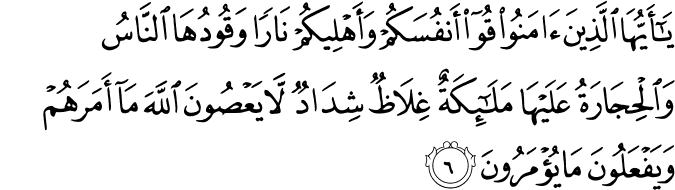
Translation: O you who have believed, protect yourselves and your families from a Fire whose fuel is people and stones […] (Surah At-Tahrim, verse 66)

This ayah illustrates our responsibility: protect yourselves, and your children, from Hellfire — a fire whose fuel is stones and men. Would you raise your children, knowingly, that they are going to be firewood, or fuel for the fire?

How to Pass Tests: Lessons from the Du’a of Prophet Ibrahim

4204459197

In Surah Al-Anbiyaa, Allah says:

21_35

Translation: Every soul will taste death. And We test you with evil and with good as trial; and to Us you will be returned. (Surah Al-Anbiya, verse 35)

In this verse, Allah uses the word “nablukum” (نبلوكم). This is a present-tense (mudaari’) form of the word “balaa.” From the grammar itself, scholars note, this means that Allah says that he will test you again and again and again, continuously.

Respect: A Lesson from Al-Abbas

rasulullah

Someone asked Al-Abbas (radiallahu anhu), the uncle of rasulullah, a question: are you akbar than rasulullah?

In Arabic, literally, this means “are you greater than rasulullah.” But the obvious connotation is that the questioner asks about age: are you older than him?

Al-Abbas said:

رسول الله أكبر مني و لكن ولدت قبله

Rasulullah is greater than me, but I was born before him.

He wanted to set the record set, and give a clear message to all of us. The respect the sahaba had for rasulullah was amazing. Uthman ibn Affan, in Hudaybiyyah, refused to make umrah before rasulullah. One of the messengers of Quraysh said “I have seen kings and ceasers, but I never saw people who loved their leader as much as him.” The sahaba even tried to catch his wudoo water! So can we learn to respect him as he deserve?

Follow the Sunnah – Week 2

Last week, we started a new series. The goal of the series is to learn and implement the sunnah in our lives. We started with the sunnah of our beloved Prophet (May Allah’s peace and blessings be upon him) on waking up. I hope all of you have been practicing that sunnah. Here is the sunnah for this week:

Entering the Washroom:

After Entering the Washroom: